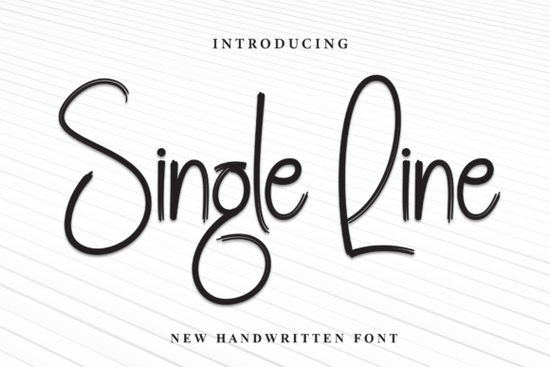
If you’ve been searching for a handwritten font that feels both elegant and effortless, Single Line Font might be exactly what your next project needs. It’s designed with subtle calligraphic charm but stays clean and modern perfect for logos, invitations, packaging, or even print-on-demand items like mugs and tote bags. Whether you’re a small business owner creating branded materials or a crafter personalizing gifts, this font adapts without losing its personality.
What makes it especially useful is how legible it remains at smaller sizes while still keeping that hand-drawn warmth. You don’t need to sacrifice readability for style which is why so many designers keep coming back to fonts like this one. If you liked the flow of Billy and Bob or the delicate curves of Helyna, you’ll probably feel right at home with Single Line.
Who is this font best suited for?
It works beautifully across several creative fields:
- Print-on-demand sellers Use it on Etsy listings, T-shirts, or greeting cards where a personal touch matters.
- Wedding stationery designers Pair it with something bolder like Romeo Wedding for contrast in headers or accents.
- Small business branding Coffee shops, boutiques, or handmade product labels benefit from its friendly yet polished look.
- Crafters using Cricut or Silhouette Since it’s a single-line style, cutting is often smoother and faster than with layered script fonts.
One thing to note: while it’s called “Single Line,” that doesn’t mean every letter connects perfectly in cursive (though many do). Instead, it refers to the stroke weight and structure minimal overlaps, consistent flow. That makes it easier to convert into SVG paths or use in embroidery digitizing software.
How does it compare to other script fonts?
Fonts like Delta Lake lean more rustic, while Welcome has a display-heavy, attention-grabbing presence. Single Line sits comfortably in between it’s not too casual, not too formal. Think of it as the quiet friend at the party who somehow ends up being everyone’s favorite.
You can layer it under photos, place it over textured backgrounds, or let it stand alone in minimalist layouts. It scales well, too. I’ve seen it used effectively in tiny footer text and blown up as wall art with no loss of character either way.
For reference, you can check out how others are using Single Line Font directly on Creative Fabrica. The community uploads real examples from mockups to tutorials that show just how flexible it really is.
Any tips for getting the most out of this font?
A few practical suggestions:
- Pair it wisely. Try combining it with a clean sans-serif (like Montserrat or Lato) to balance its organic shape.
- Adjust tracking slightly. Sometimes loosening the letter spacing by 10–20 points helps the letters breathe better, especially in longer phrases.
- Use sparingly in body text. While readable, it’s still a script best reserved for headlines, quotes, or short captions.
- Test before cutting. If you’re using it with vinyl cutters, always do a test run first. Some terminals may need minor tweaks depending on your machine settings.
Also worth mentioning: if you plan to sell products made with this font, double-check the license. Most Creative Fabrica fonts include commercial use, but always confirm the terms for your specific case especially if you’re scaling up production.
Is there a learning curve?
Not really. If you’ve worked with OpenType fonts before, installing and using Single Line will feel familiar. No special software required just unzip, install, and start typing. The ligatures and alternates (if included) usually activate automatically in programs like Adobe Illustrator or Canva Pro.
Beginners might want to play around with kerning manually at first until they get a feel for how the letters sit next to each other. But even straight out of the box, it looks intentional not sloppy or forced.
Pro tip: Save a few go-to combinations as presets in your design tool. For example, “Single Line + Bold Sans” for social media graphics, or “Single Line italic + light underline” for blog headers. Having those ready saves time later.
Next step: Try it in context
Before committing, download a sample or preview it live in your current project. Ask yourself:
- Does it match the mood I’m trying to create?
- Will my audience find it easy to read or is it too stylized for their needs?
- Can I pair it with another font already in my toolkit?
If the answer is yes, then go ahead. Fonts like this aren’t meant to be collected they’re meant to be used. And when they click, they make your work feel less like labor and more like craft.
Learn More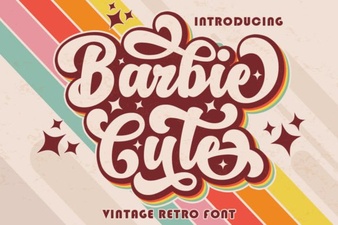 Barbie-Inspired Fonts for Fun Digital Projects
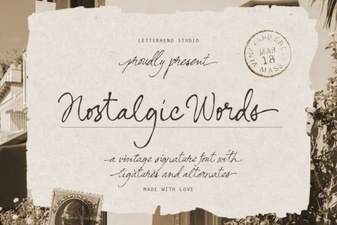 Nostalgic Fonts for Creative Projects & Designs
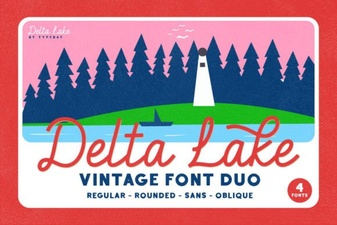 Delta Lake Font: Free Download & Creative Uses
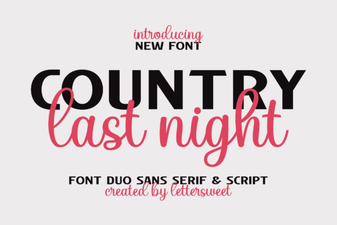 Crafting Projects with the Country Last Night Duo Font
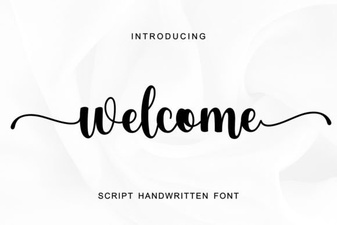 Welcome Fonts for Creative Projects & Design Ideas
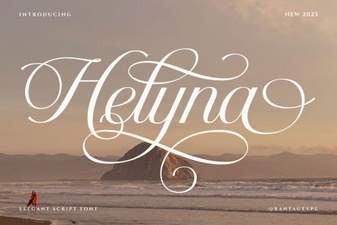 Helyna Font: Creative Design Projects